Source Automatic Silicone Socks Printer for Elastic Bands
Compare 30 automatic silicone socks printer models from Dongguan suppliers. These pneumatic screen printing machines handle liquid silicone for socks, gloves, and elastic bands with high productivity and PLC control; compare the available evidence and request quotations based on your requirements.
Key considerations
Products List


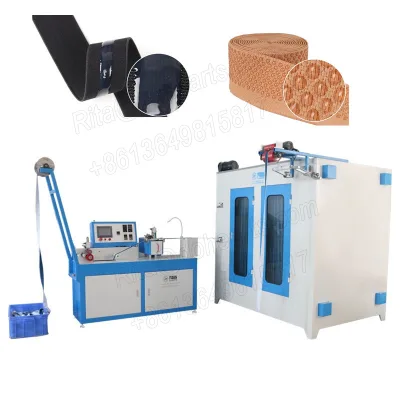
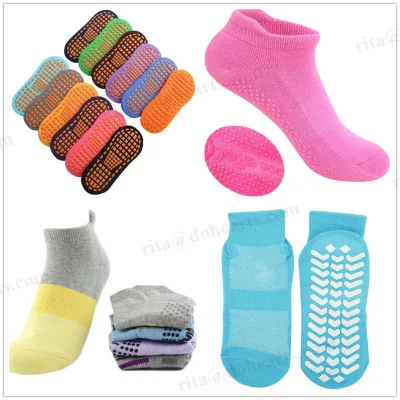
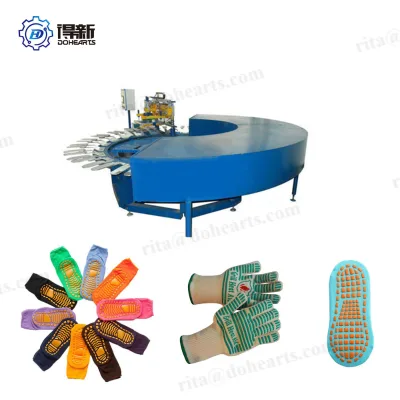
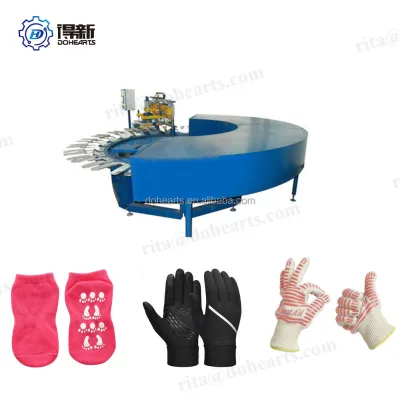
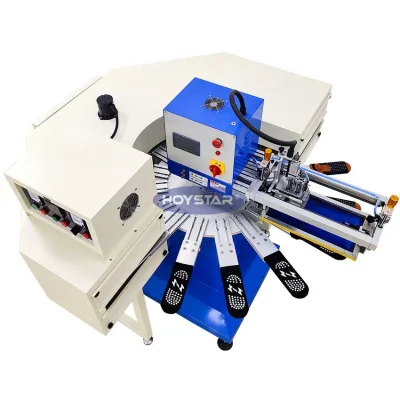
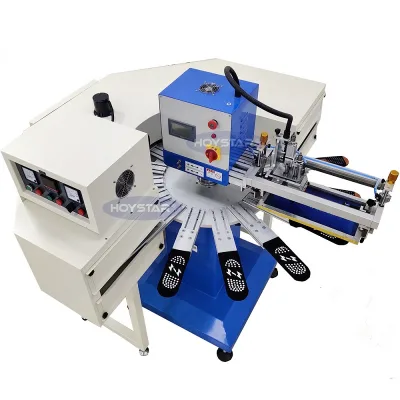
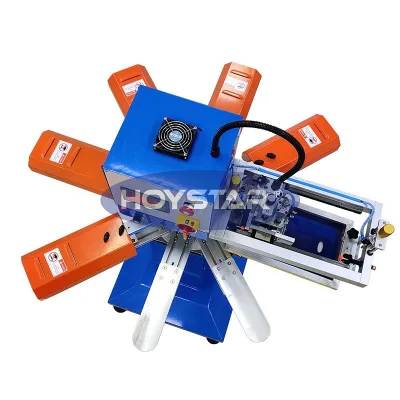
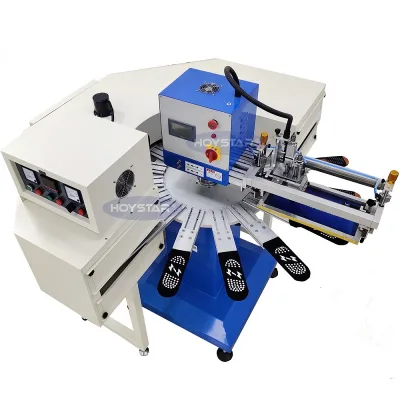
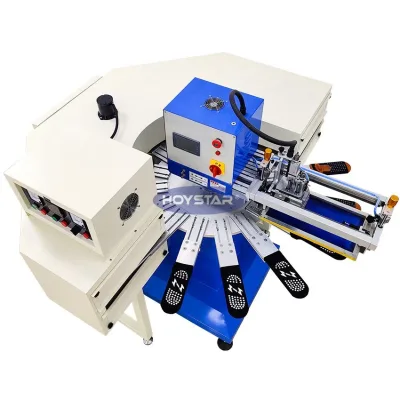
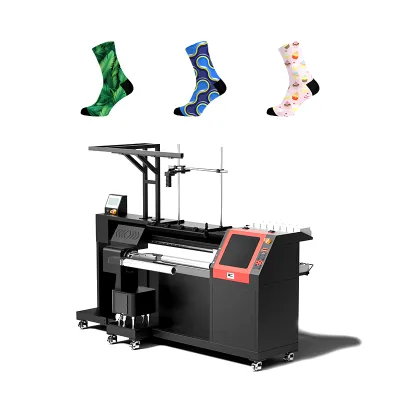
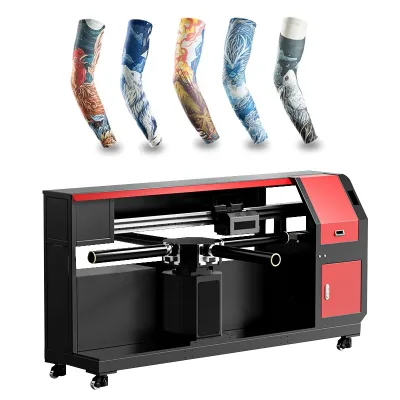
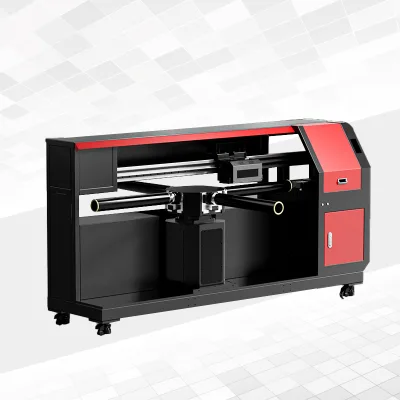
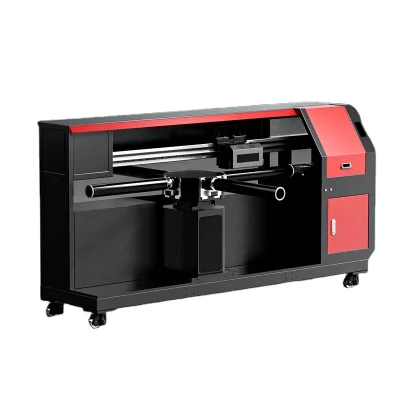
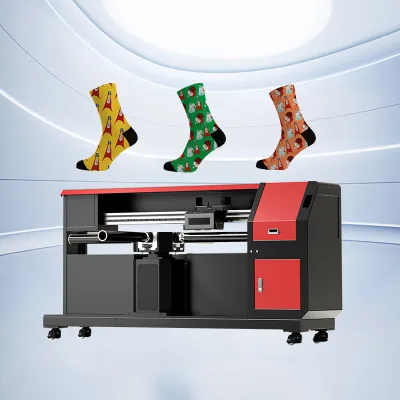
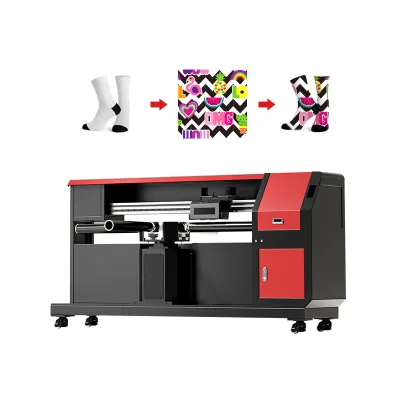


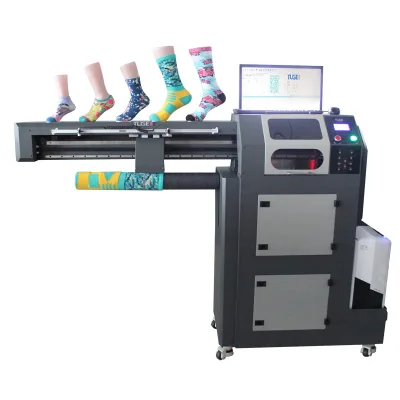
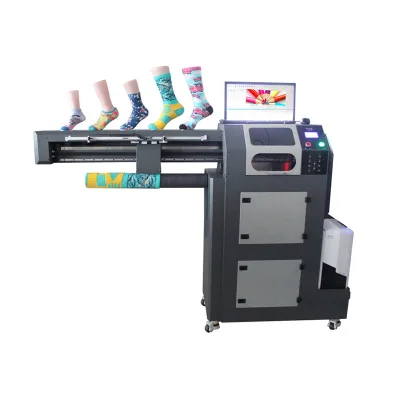
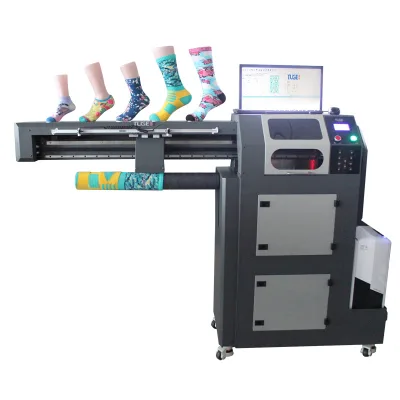
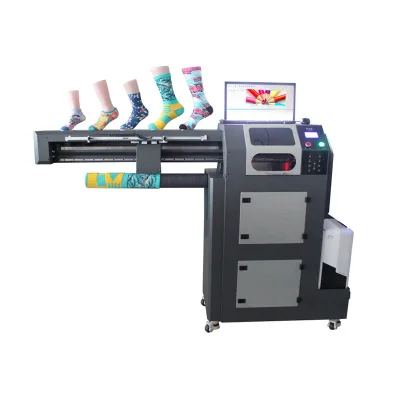

Comprehensive Sourcing Guide
Automatic Silicone Socks Printer Sourcing Guide
Procuring an automatic silicone socks printer requires a clear understanding of the machine’s dual capabilities in textile decoration and functional coating. The observed market listings indicate that these units are often marketed as multi-purpose screen-process printing presses capable of handling both cloth printing and silicone dotting for elastic bands. Buyers must distinguish between machines designed primarily for aesthetic pattern application and those engineered for precise material deposition, as the mechanical requirements for each task differ significantly in terms of pressure control and ink viscosity management.
The supply chain for these automated systems is heavily concentrated in specific manufacturing hubs, with Dongguan and Guangdong in China emerging as primary origins for the observed models. Suppliers in these regions typically offer brands such as DOHEARTS, which provide various model numbers like DH-SP01, DH-SP05, and DH-CM11 to address different production scales. Understanding the specific model designation is crucial, as it often correlates with the machine’s physical footprint, voltage requirements, and the complexity of its pneumatic or PLC-driven automation systems, ensuring the selected unit aligns with your facility’s infrastructure.
Product Scope and Observed Listing Signals
The product scope for automatic silicone socks printers encompasses a range of industrial-grade equipment designed for high-productivity environments. Listings frequently highlight features such as double-faced, multi-color printing capabilities and the ability to apply silicone coatings for socks and gloves. These machines are often described as having a platen press structure, which is essential for maintaining consistent pressure during the screen printing process. The observed data suggests that these units are new products, marketed with key selling points centered on high productivity and the ability to handle multiple kinds of elastic bands, indicating versatility in material handling.
Observed listing signals reveal significant variation in technical specifications, which buyers must carefully evaluate to avoid mismatches with their production needs. For instance, while some models list a production capacity of 20 meters per minute, others specify dimensions of 3000x3000x1200mm and a weight of 2000 KG, suggesting heavy-duty industrial construction. Conversely, lighter models may weigh only 800 KG with smaller footprints. The voltage requirements also vary, with some units operating on 380V and others specifying an 8kw power consumption, necessitating a thorough review of the electrical infrastructure at your facility before finalizing any purchase decision.
Technical Specifications to Verify
When verifying technical specifications, the core components and driven type are critical indicators of machine reliability and automation level. Most observed models utilize PLC systems for control, ensuring precise operation of the screen printing process. The driven type is often pneumatic, which provides the necessary force for the platen press mechanism. Buyers should confirm the specific model number, such as DH-CM11 or DH-SP05, as these identifiers often correspond to distinct mechanical configurations. It is also essential to verify the plate type, which is typically a screen printer, and ensure that the machine supports the specific thickness requirements, such as a print thickness of 30mm, if applicable to your product line.
Dimensional and weight specifications are vital for logistical planning and factory floor layout. The observed dimensions range significantly, with some units measuring 1250x1500x2100mm and weighing 800 KG, while others are substantially larger at 3000x3000x1200mm and 2000 KG. These differences impact not only the physical space required but also the foundation strength needed in your facility. Additionally, the packaging details, often described as wooden cases or sea-worthy wooden packing, must be considered for shipping and handling. Confirming the exact dimensions and weight for the specific model you are sourcing will prevent unexpected logistical challenges and ensure safe delivery to your site.
Compliance and Safety Documentation
Compliance and safety documentation are paramount when integrating automatic silicone socks printers into your manufacturing workflow. Buyers should request machinery test reports, which are provided by many suppliers, to verify that the equipment meets operational safety standards. These reports typically cover electrical safety, mechanical integrity, and performance under load. It is also important to inquire about any certifications, such as CE, although buyers must verify the current status and validity of such certifications directly with the supplier, as market listings may not always reflect the most up-to-date compliance records for every unit sold.
Warranty and after-sales service terms are critical components of the compliance and support framework. The observed warranty period is typically one year, but buyers should clarify the scope of this coverage, including whether it encompasses parts, labor, and travel expenses for field maintenance. After-warranty service options, such as video technical support, online support, spare parts availability, and field maintenance and repair services, should be explicitly documented in the purchase agreement. Ensuring that these support mechanisms are robust will minimize downtime and maintain production continuity, especially when dealing with complex pneumatic and PLC-driven systems that may require specialized troubleshooting.
Cost Drivers and Commercial Terms
Cost drivers for automatic silicone socks printers are influenced by several factors, including the machine’s automation level, material construction, and included features. Models with advanced PLC controls and pneumatic systems tend to be more expensive due to the complexity of their engineering. The supply ability, often cited as 5000 sets per year, suggests that suppliers have the capacity to handle large orders, which may influence pricing tiers. Buyers should also consider the voltage power requirements, with some units consuming up to 8kw, as this impacts long-term operational costs and electrical infrastructure investments.
Commercial terms, including packaging and shipping, play a significant role in the total cost of ownership. The observed packaging type is typically a wooden case, which is essential for protecting the machine during sea freight but adds to the initial cost. Buyers should negotiate clear terms regarding Incoterms, insurance, and customs clearance responsibilities. Additionally, the minimum order quantity (MOQ) is often listed as one unit, providing flexibility for small-scale procurement, but buyers should verify if bulk discounts are available for larger orders. Understanding these commercial nuances will help in budgeting accurately and avoiding hidden costs associated with logistics and installation.
Supplier Qualification and Quality Control
Supplier qualification is a critical step in ensuring the reliability of the automatic silicone socks printer. Buyers should verify the supplier’s production capacity and place of origin, with many suppliers located in Dongguan or Guangdong, China. It is advisable to request references or case studies from previous clients to assess the supplier’s track record in delivering and supporting these machines. The brand name, such as DOHEARTS, should be cross-referenced with industry reputation and customer feedback to gauge the quality of their products and services.
Quality control measures should be established before production begins. Buyers should request detailed specifications and drawings for the specific model they intend to purchase, ensuring that all technical parameters, such as dimensions, weight, and voltage, match their requirements. It is also important to verify the condition of the machine, which is typically listed as new, and confirm the availability of spare parts. Establishing a clear quality assurance protocol, including pre-shipment inspections and testing procedures, will help mitigate risks and ensure that the delivered machine meets the expected performance standards.
Long-Term Procurement Checks
Long-term procurement checks focus on the sustainability of the supplier relationship and the ongoing support for the automatic silicone socks printer. Buyers should establish clear communication channels, such as Skype or WhatsApp, with the supplier’s technical support team to ensure rapid response to any issues. The availability of video technical support and online support is crucial for troubleshooting problems that may arise during operation. Regular check-ins with the supplier can help identify potential issues early and ensure that the machine continues to perform optimally over time.
Maintenance and spare parts availability are key considerations for long-term procurement. Buyers should verify the supplier’s inventory of critical spare parts, such as PLC components and pneumatic valves, to minimize downtime in case of failure. It is also important to review the warranty terms periodically to ensure that they remain valid and that the supplier is committed to providing ongoing support. By maintaining a proactive approach to supplier management and quality control, buyers can ensure the longevity and reliability of their automatic silicone socks printer investment.
FAQs
What customization options are available for the automatic silicone socks printer?
Customization is available for this automatic silicone socks printer to meet specific production needs. The machine supports double-faced multi-color printing and can apply silicone dots to various elastic bands. Buyers should verify specific requirements with the supplier to ensure the configuration matches their textile elastic tape coating goals.
Which voltage and power specifications does the automatic silicone socks printer require?
The automatic silicone socks printer operates on 380V voltage with an 8kw power rating. This industrial-grade machine features a PLC core component and pneumatic driven type for reliable operation. Users must ensure their facility can supply the required electrical power before installation to maintain the high productivity claimed for this screen printing press.
How is the automatic silicone socks printer packaged for international shipping?
The automatic silicone socks printer is packaged in a wooden case to ensure safe transport. This packaging type is designed to protect the heavy machinery, which weighs between 800 and 2000 KG depending on the specific model. The wooden case meets standard export requirements for sea freight shipping from the Dongguan origin location.
Can the automatic silicone socks printer handle multiple colors simultaneously?
Yes, the automatic silicone socks printer supports multi-color coating processes for various applications. It is designed for screen-process printing and can handle silicone dotting on elastic bands with multiple colors. This capability makes it suitable for textile elastic tape coating and silicone socks gloves printing tasks requiring complex color patterns.
What warranty and after-sales support are provided for the automatic silicone socks printer?
The automatic silicone socks printer comes with a one-year warranty covering the machine. After warranty service includes video technical support, online support, spare parts, and field maintenance and repair services. Buyers can contact the supplier via Skype or WhatsApp for assistance with any operational issues or technical queries regarding the equipment.
Which production capacity can be expected from the automatic silicone socks printer?
The automatic silicone socks printer offers a production capacity of 20 meters per minute. This high productivity rate is achieved through its automatic grade and platen press structure. The machine is suitable for processing silicone materials on elastic bands and can handle 20 to 40 pairs of socks per cycle depending on the specific model configuration.